How does the NZ $200,000 dismissal threshold change your board’s approach to senior staff management?
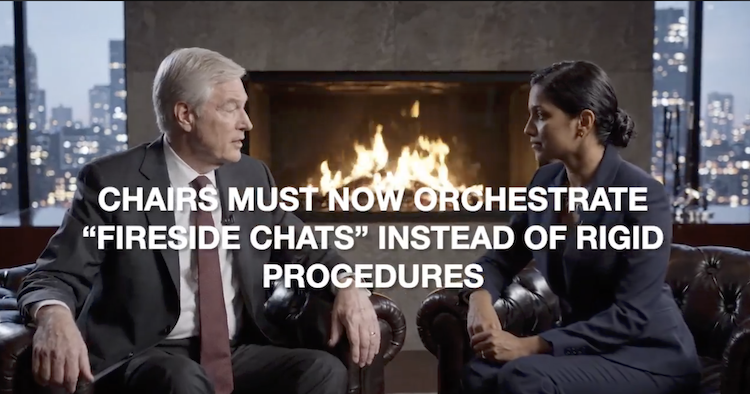
The NZ $200,000 dismissal threshold, introduced in the Employment Relations Amendment Act 2026, removes statutory dismissal protections for employees earning above this limit. For boards, this shifts the power dynamic: less process-heavy compliance, more accountability for performance oversight. Chairs must now orchestrate “fireside chats” instead of rigid procedures. Senior executives must negotiate stronger contractual protections. Success requires both groups to move from litigation avoidance to performance-focused governance.
The Core Change: What the $200,000 Threshold Means for Your Board
The $200,000 threshold applies to new employment agreements after 21 February 2026, with existing staff granted a 12-month transition period. At that point, high-earning employees lose the right to raise personal grievances for unjustified dismissal or unjustified disadvantage relating to dismissal.
This sounds like a legal technicality. It isn’t. Under the old regime, boards were often hamstrung by procedure. A minor HR error – missing documentation, a missed step – could expose the organisation to a costly grievance claim, even when the dismissal was justified. The new “harmful error” test means procedural defects only matter if they caused material unfairness.
For boards, this is both liberation and responsibility. You gain flexibility. You also lose the safety net of statutory procedure, which means your own governance systems must be demonstrably robust.
Total Remuneration: The Hidden Trap
A critical distinction in the law is that “total remuneration” is calculated, not base salary alone. This includes bonuses, KiwiSaver contributions, insurance benefits, share schemes, and allowances. A senior leader on $175,000 base salary who assumes they’re below the line may find that bonuses and benefits push them across $200,000, removing their protections entirely.
Your finance team should calculate total remuneration for any role you’re approaching the threshold. Misclassification creates legal risk.
The 364-Day Calculation Rule
Remuneration is calculated using the 364 days immediately preceding dismissal notification. This matters for roles with variable pay. A new CFO hired six months ago at an annualised $300,000 remains a high-income earner under the law, even if their actual year-to-date earnings are lower. Your board should understand this timing.
Board Decision-Making Frameworks: Moving from Compliance to Performance
The traditional board approach to senior staff management was procedural: follow the discipline steps, document everything, reduce legal exposure. This created defensive, box-ticking cultures. The new threshold invites a more sophisticated framework.
The Performance-Focused Approach
Rather than obsessing over procedural correctness, boards can now emphasise performance outcomes and strategic alignment. The question shifts from “Did we follow the process correctly?” to “Is this leader delivering what the organisation needs?”
This requires three things:
First, your board must establish clear performance metrics for the CEO and senior team aligned to strategy. These should be specific, measurable, and reviewed quarterly. Second, performance conversations should be regular and documented – not surprises sprung at review time. Third, if a gap emerges between performance and expectations, the chair should address it directly in real time.
This is not abandoning fairness. It is making fairness proactive rather than reactive.
The Three-Pillar Framework for Board Oversight
The Institute of Directors identifies three pillars of effective board governance: setting strategic direction, ensuring compliance, and holding management accountable. The $200,000 threshold directly impacts the third pillar – accountability.
Under the old regime, accountability was often deferred because the cost of a procedural error was so high. The new regime invites boards to exercise judgment: Is the CEO moving the organisation in the right direction? Are key milestones being met? Is the culture healthy? If the answer to any of these is no, the board has a clearer path forward.
The Chair’s Role: From Compliance to Conversation
The chair’s responsibility intensifies under the new threshold. You lose the comfort of procedure but gain the leverage of clarity.
The “Fireside Chat” Model
Rather than formal performance improvement plans (PIPs), chairs are now adopting “fireside chats” – sophisticated, informal conversations where strategic alignment and performance are discussed openly. These are documented but not legalistic. They create space for honest dialogue without the immediate threat of litigation.
This requires skill. The chair must signal openness to discussion while also being clear about concerns. The conversation should explore whether the relationship is still aligned for both parties. If it isn’t, an honourable exit becomes the focus rather than a surprise termination.
The “Quasi-Process”: Documented Respect
The new law doesn’t eliminate the need for process. It changes the nature of process. A “quasi-process” involves:
- Regular, documented check-ins between chair and CEO on performance and strategic alignment.
- Clear communication about board concerns, framed as dialogue not accusation.
- Transparency about what success looks like and whether the current leader is delivering it.
- If a transition is needed, clarity about next steps and support for a graceful exit.
This approach protects the organisation legally (there is a clear record of performance concerns) while preserving the dignity of the senior leader (they are not ambushed).
Avoiding the Closed-Mind Trap
Even with the new legal flexibility, chairs must avoid signalling that the decision is already made. If a board member makes disparaging comments in the media or tells a peer “the CEO is gone,” you’ve created a narrative of unfairness that can invite alternative legal claims (discrimination, whistleblowing, breach of contract) or damage the organisation’s reputation.
The new threshold gives you more flexibility. It doesn’t give you permission to be unfair.
Contractual Strategy: Negotiating the New Landscape
As statutory protections recede for high earners, the employment agreement becomes the primary defence for both parties. Boards should expect senior executives to negotiate stronger contractual terms.
Golden Parachutes and Liquidated Damages
High earners are increasingly negotiating pre-agreed exit payments – “Golden Parachute” clauses. Rather than view these as extortionate, boards should recognise them as a quantifiable cost of the new flexibility. An executive earning $500,000 might negotiate a contractual payment of six months’ remuneration if terminated without cause. This payment removes the incentive for costly litigation and signals respectful treatment.
For boards, this is a trade-off: you gain flexibility in how you manage the executive, but you pay for that flexibility in exit costs.
Contractual Just Cause and Enhanced Notice
Some executives are negotiating “contractual just cause” clauses that reinstate procedural fairness inside the agreement itself. This allows the executive to sue for breach of contract if the board bypasses process, even though they’ve lost the statutory grievance right. Boards should review these provisions carefully and understand the cost of breach.
Enhanced notice periods (six to twelve months instead of the standard three) are also becoming common. These give senior leaders time to transition and reduce the risk of a “forced departure” narrative.
No-Fault Termination Clauses
Some sophisticated agreements now include “no-fault termination” clauses: the board can terminate immediately without cause, provided a significant pre-negotiated exit fee is paid. This allows for clean breaks without the need to build a performance case. For boards, this clarity can be valuable.
Building Graceful Exits: A Strategic Board Practice
The removal of statutory protections for high earners shifts focus from legal defensibility to managed departure. Graceful exits are not soft HR practice – they are strategic board tools.
What a Graceful Exit Looks Like
A graceful exit means the senior leader leaves with dignity intact, their professional reputation preserved, and their transition supported. For a CEO who has spent 15 years building the organisation, a graceful exit honours that contribution while making space for new leadership.
This involves:
- Narrative Reframing: Helping the departing leader craft a coherent story for the market (a “new chapter” rather than “being pushed out”).
- Career Mapping: Identifying next opportunities – board seats, advisory roles, portfolio careers – aligned to their skills and interests.
- Transition Support: Providing access to coaching or mentoring during the exit period to stabilise their thinking and move from a litigation mindset to a future-focused mindset.
- Reputation Protection: Managing the public narrative so the departing leader isn’t blamed for organisational challenges they didn’t cause.
Why This Matters for Your Organization
A graceful exit protects your employer brand. If you force out a senior leader harshly, the remaining team notices. Talented people worry about their own job security. Conversely, if a departing leader feels respected during their exit, the organisation’s culture is reinforced. The message is clear: we treat people fairly even when the relationship ends.
This is not weakness. It is strategic governance.
The Hydra Effect: Emerging Legal Risks Beyond Dismissal
A common prediction is that the $200,000 threshold will not lead to fewer claims but different claims – a “Hydra” effect where new legal heads emerge.
Even with the dismissal threshold, high earners retain grounds to raise personal grievances for discrimination, sexual harassment, bullying, and whistleblowing. Age discrimination claims may increase (senior leaders are often older). Breach of contract claims will shift disputes from the Employment Relations Authority to civil courts, where damages can be substantial.
For boards, this means the risk landscape hasn’t disappeared – it has changed. Professional governance and fair treatment remain essential.
Comparison Table
| Aspect | Pre-2026 Regime | Post-2026 Regime (Over $200K) |
|---|---|---|
| Dismissal Protections | All employees protected | High earners lose statutory protection |
| Procedural Requirements | Strict; minor errors can invalidate dismissal | “Harmful error” test; only material defects matter |
| Primary Defense | Employment Relations Act | Individual employment agreement |
| Focus of Board Oversight | Compliance with procedure | Performance outcomes and strategic alignment |
| Exit Costs | Compensation determined by Authority | Pre-negotiated contractual terms |
| Legal Forum | Employment Relations Authority | Civil court (for contract disputes) |
| Chair’s Tool | Formal disciplinary procedure | Fireside chats and quasi-processes |
At a Glance
| Element | Key Point |
|---|---|
| The Threshold | $200,000 total remuneration; applies to new agreements from 21 Feb 2026; existing staff have 12-month transition |
| What Changes | High earners lose right to claim unjustified dismissal; boards gain flexibility in how they manage performance |
| For Boards | Shift from procedural compliance to performance-focused oversight; maintain fairness through documented conversations |
| For Executives | Negotiate stronger contractual protections (Golden Parachutes, enhanced notice, contractual just cause) |
| The Chair’s Job | Move from defensive procedure to strategic dialogue; orchestrate fireside chats and quasi-processes; support graceful exits |
| Remaining Risks | Discrimination, whistleblowing, breach of contract claims remain; civil litigation more likely than Authority disputes |
Director’s FAQ
What counts toward the $200,000 threshold?
Total remuneration includes base salary, bonuses, KiwiSaver contributions, insurance benefits, share schemes, and allowances. Work with your finance team to calculate accurately. A role that appears below $200,000 on base salary may cross the threshold once all components are added.
Do we need to change our employment agreements during the transition period?
Existing employees have until 21 February 2027 before the threshold applies. You must inform them of the change and negotiate in good faith. Some boards choose to formally opt out of protections; others negotiate stronger contractual terms as a trade-off. The choice depends on your strategy and negotiating position.
What should we do if a senior leader’s performance is declining?
Move from formal PIPs to documented fireside chats with the chair. Discuss performance gaps, strategic alignment, and whether the relationship is working for both parties. Create space for honest dialogue. If a transition is needed, clarify next steps and support a graceful exit. This approach is more effective than box-ticking procedures.
Are we exposing ourselves to other legal claims if we use this new flexibility?
Yes. High earners can still claim discrimination, harassment, or whistleblowing retaliation regardless of the $200,000 threshold. Breach of contract claims will shift disputes to civil courts. Fair treatment remains essential. The new law gives you flexibility in how you manage senior staff – not permission to be unfair.
How do we support a departing senior leader?
Frame the exit as a transition to a new chapter, not a failure. Help them identify next opportunities (board seats, advisory roles, coaching). Provide coaching support to shift their mindset from litigation risk to future focus. Protect their reputation in the external narrative. A graceful exit protects your employer brand and reinforces your culture.
Legal Disclaimer
This article is provided for informational and educational purposes only. It is not legal advice and does not constitute a complete or proper assessment of your legal position or obligations under the Employment Relations Amendment Act 2026 or any other legislation.
Employment law is complex and fact-dependent. The information in this article is general in nature and may not apply to your specific circumstances. Your board’s situation is unique, and the appropriate action depends on many factors including your organisation’s size, sector, existing employment agreements, and the specific facts of any senior staff situation.
You must obtain proper legal advice from a qualified employment lawyer before making any decisions regarding the $200,000 threshold, restructuring employment agreements, performance management, or dismissal of any employee earning above the threshold. Do not rely on this article as a substitute for professional legal counsel.
Employment disputes can be costly and reputation-damaging. A qualified lawyer will review your specific circumstances, assess your risks, and advise you on the legal and contractual steps appropriate for your board.
If you have questions about your specific situation, contact your employment law advisor or contact us for a governance consultation.
What questions do you have about Advisory or Governance Boards? Get in touch:
Andrew Seerden
Seerden Board Partners
[email protected]